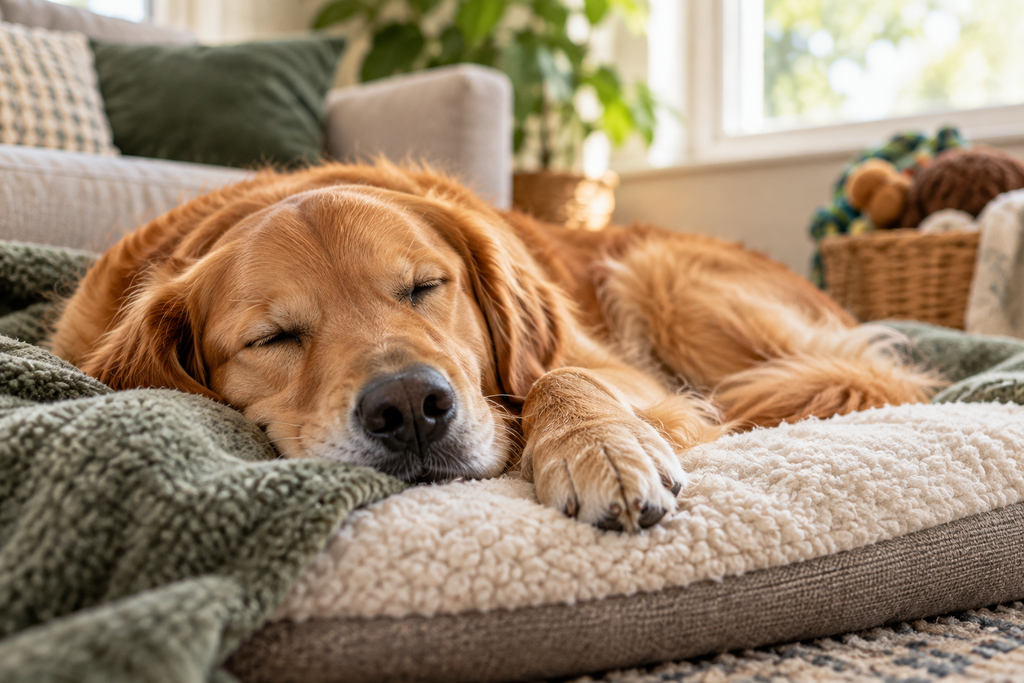
The 5-Minute Weekly Dog Health Check
A simple weekly routine to help dog parents notice changes in their dog’s eyes, ears, mouth, skin, paws, movement, and everyday habits.
In This Article
- Know Your Dog’s Normal
- Check the Eyes
- Take a Look at the Ears
- Check the Mouth and Teeth
- Run Your Hands Over the Skin and Coat
- Check the Paws and Nails
- Watch Your Dog Move
- Changes in Everyday Habits
- When to Call Your Veterinarian
1. Know Your Dog’s Normal
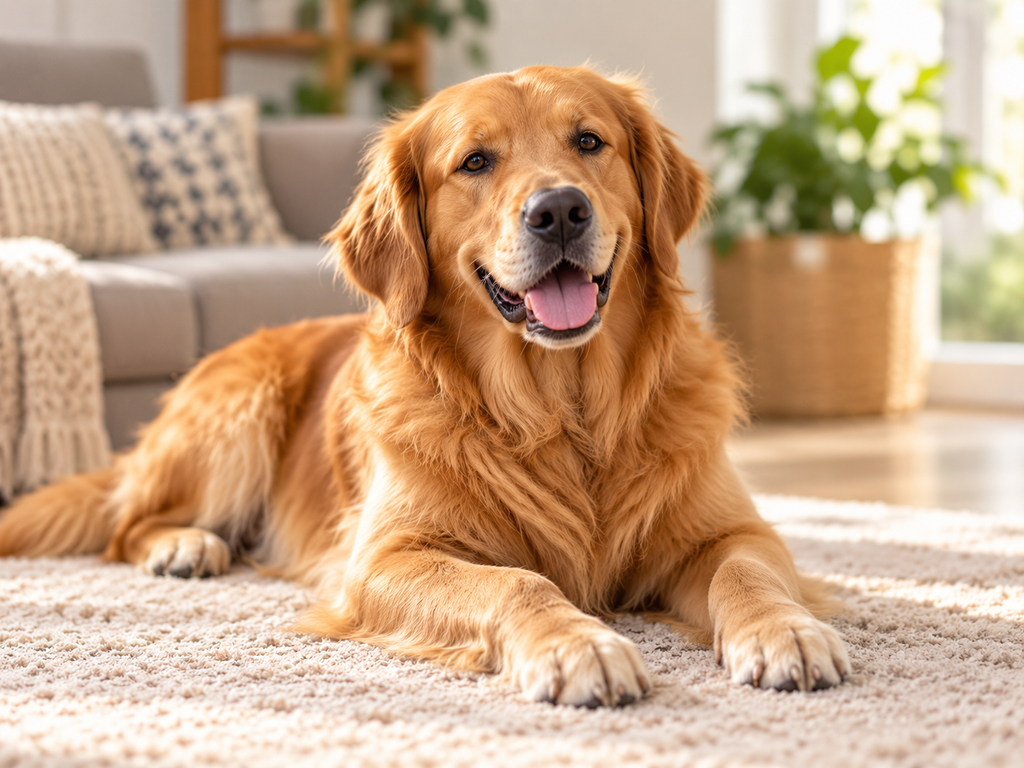
Every dog is unique. Getting to know what’s normal for your dog makes it easier to notice when something is different. Pay attention to their typical appearance, behavior, and energy levels so small changes don’t go unnoticed.
- Notice what’s normal for your dog’s eyes, ears, coat, and energy
- Take mental notes (or photos) so you can compare over time
- Small changes can be early clues that something isn’t right
2. Check the Eyes
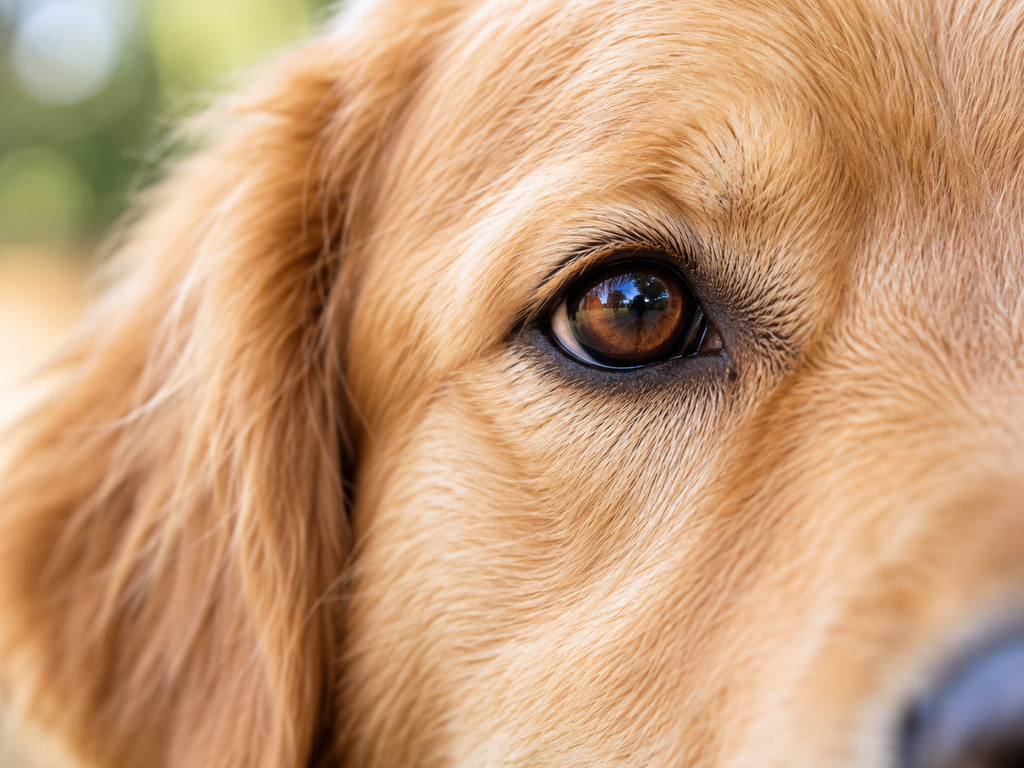
Look for clear, bright eyes. A little tear staining is normal for some dogs, but watch for redness, discharge, squinting, or any sign of irritation.
- Eyes should be clear and bright
- Watch for redness, discharge, or cloudiness
- Notice if they’re squinting or rubbing their eyes
3. Take a Look at the Ears
Healthy ears should look clean, smell neutral, and be free from excessive wax or redness.
- Check for redness, swelling, or unusual odor
- Look for excess wax or discharge
- Notice if your dog is scratching or shaking their head
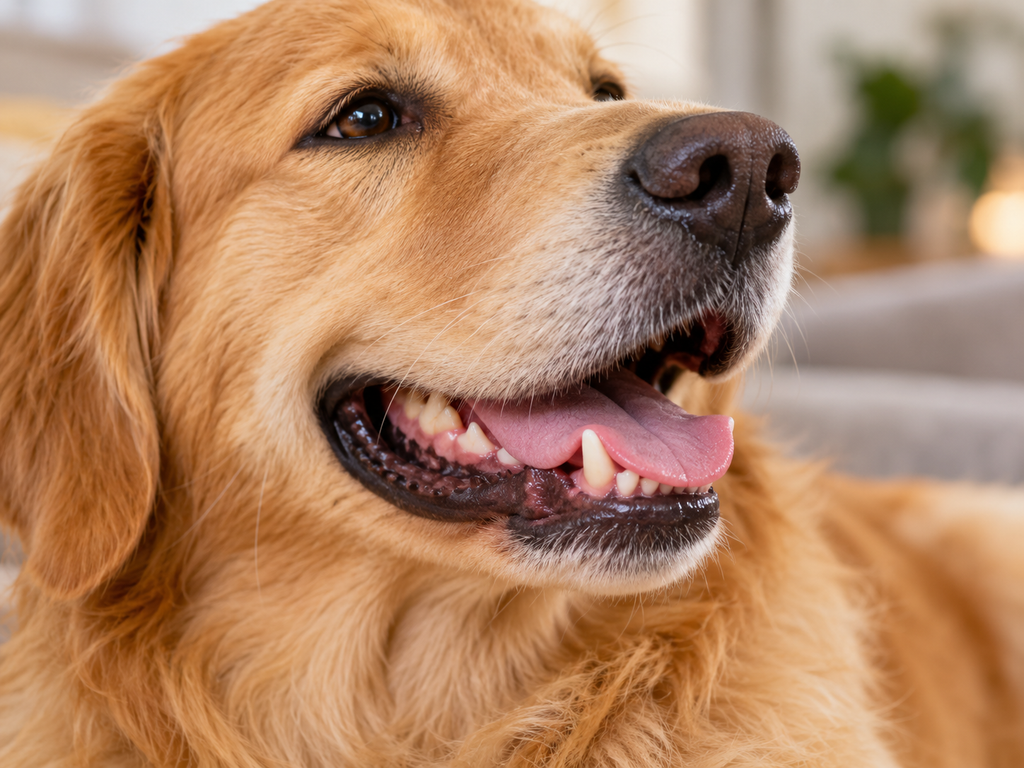
4. Check the Mouth and Teeth
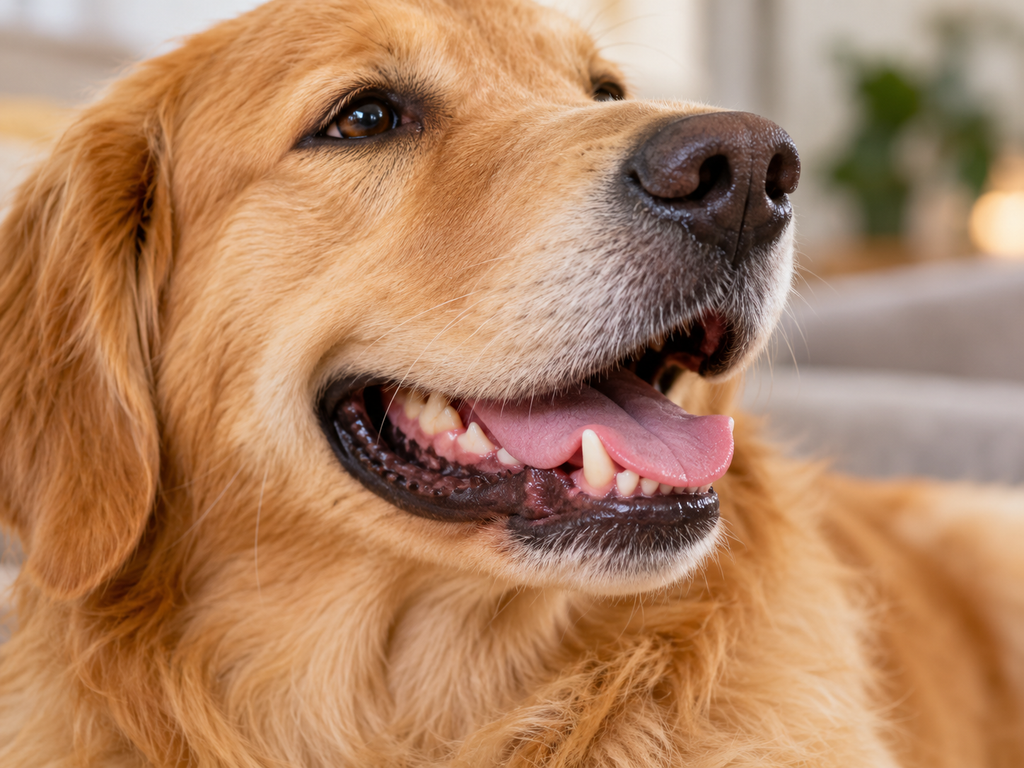
Look at your dog’s gums, teeth, and tongue. Healthy gums are pink, and the breath should not be overly strong.
- Gums should be pink, not red or pale
- Check for tartar buildup or broken teeth
- Notice any bad breath or changes in appetite
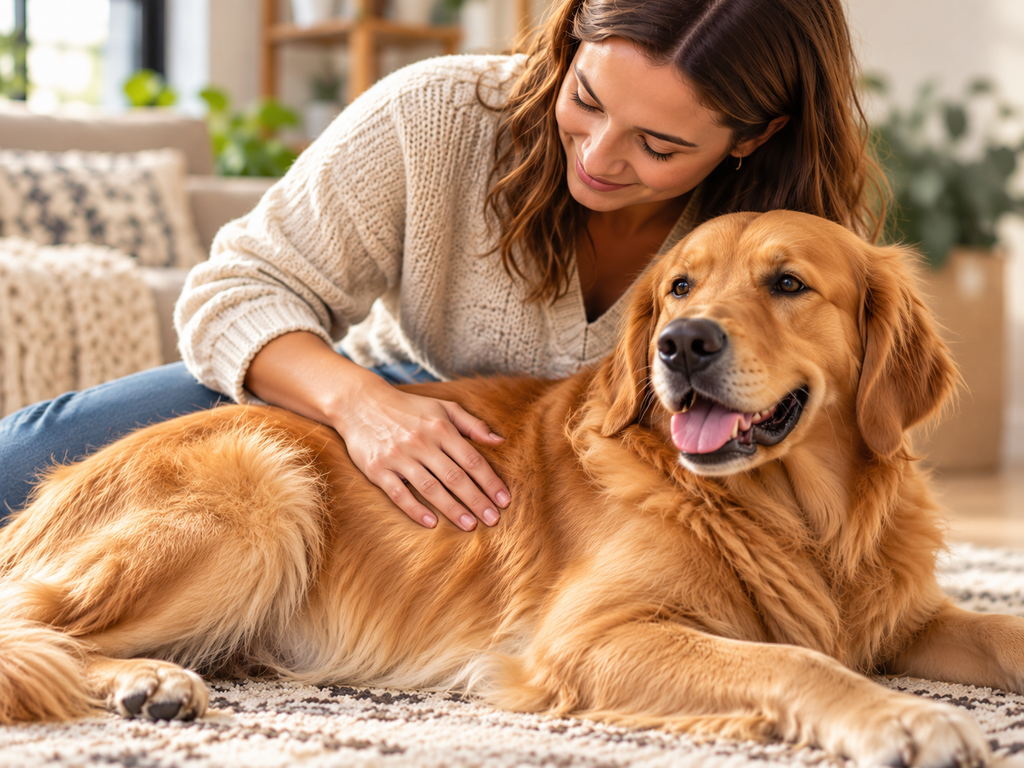
5. Run Your Hands Over the Skin and Coat
Feel for lumps, bumps, scabs, or areas of irritation. A healthy coat should be clean, shiny, and free from excessive dryness or flakiness.
- Feel gently from head to tail
- Look for lumps, bumps, scabs, or hot spots
- Check for dry skin, redness, or hair loss
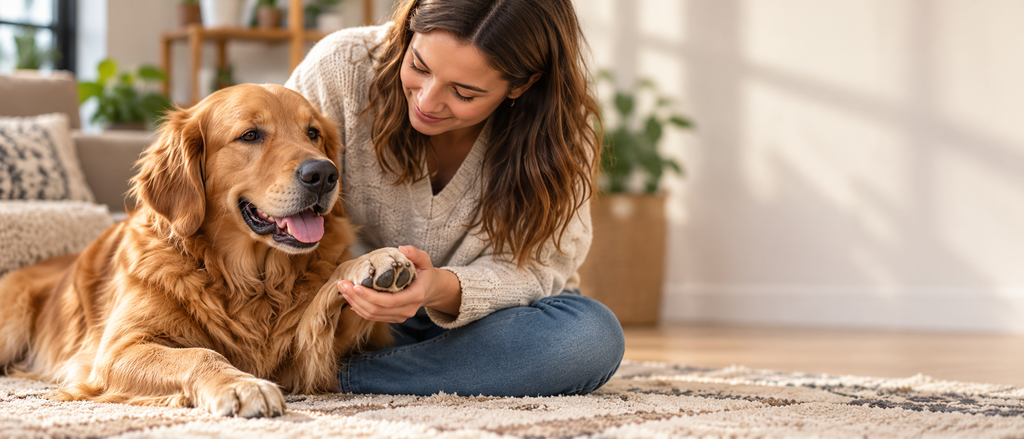
6. Check the Paws and Nails
Look at paw pads for cracks, irritation, or foreign objects. Check that nails aren’t too long and look for signs of injury.
- Check paw pads for cuts, cracks, or redness
- Look for grass seeds or debris
- Keep nails at a comfortable length
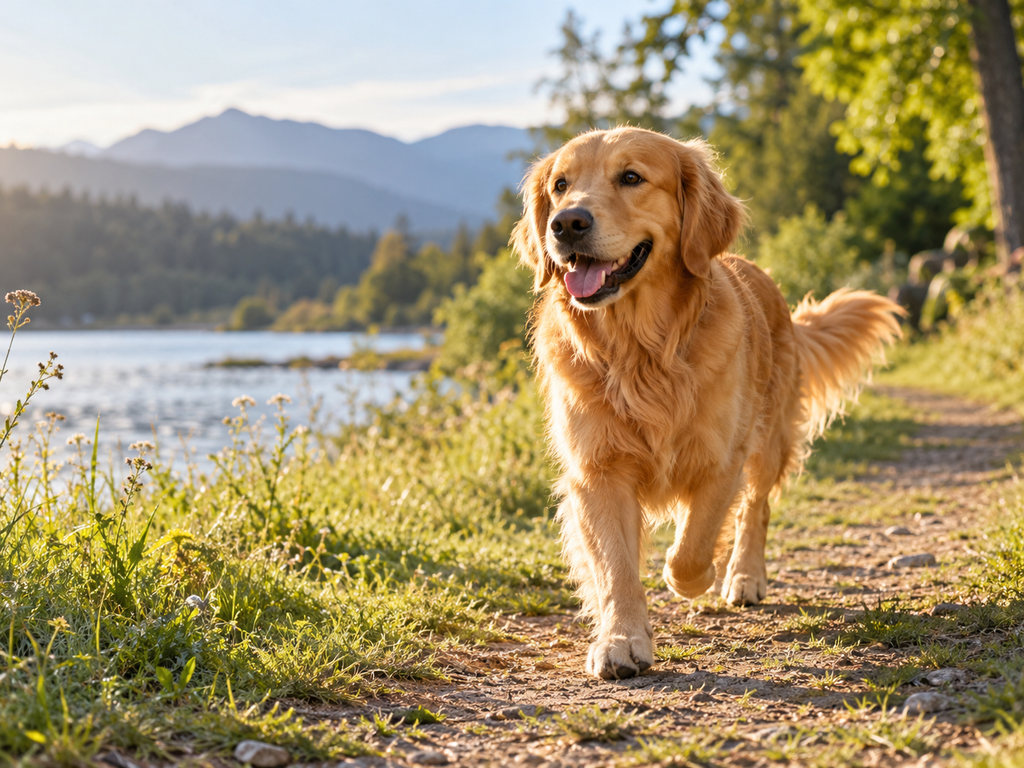
7. Watch Your Dog Move
Observe how your dog walks, runs, and gets up. Look for limping, stiffness, or any changes in movement that seem unusual.
- Watch for limping or stiffness
- Notice if they hesitate to jump or climb stairs
- Compare to their normal activity level
8. Changes in Everyday Habits
Pay attention to eating, drinking, sleeping, and bathroom habits. Even small changes can be important clues.
- Notice changes in appetite or thirst
- Watch for changes in how much they sleep
- Look for differences in bathroom habits
9. When to Call Your Veterinarian
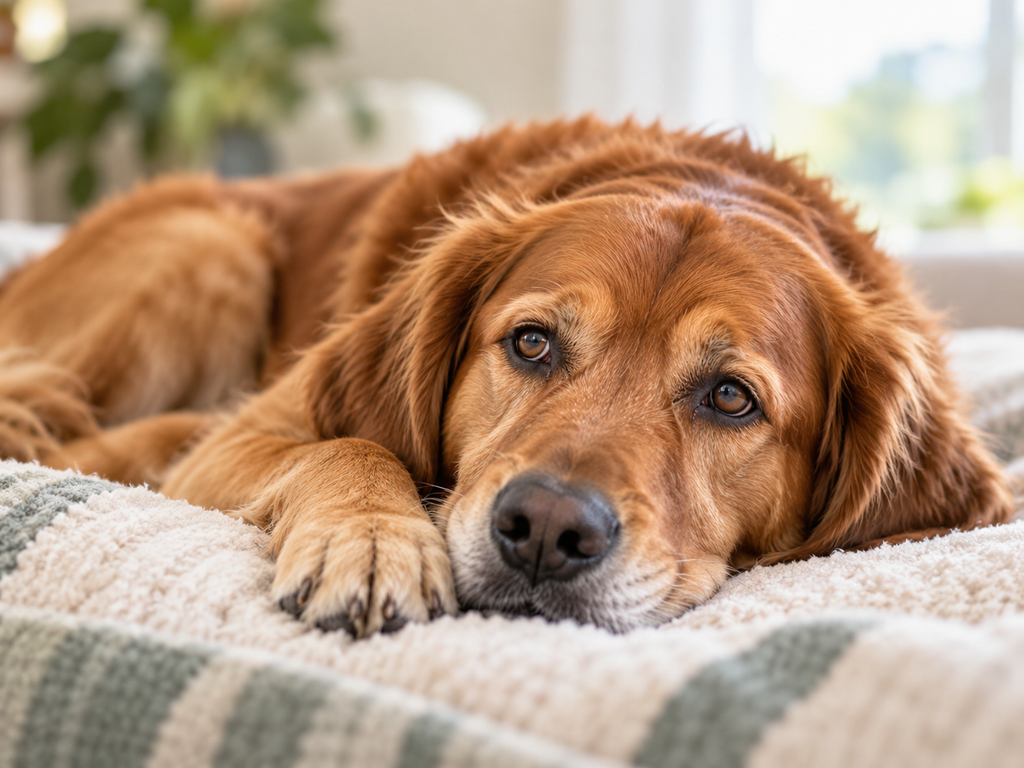
Contact your vet if you notice persistent changes, signs of pain, or anything that feels “off.” It’s always better to check and be safe.
- Ongoing vomiting, diarrhea, or loss of appetite
- Signs of pain, limping, or difficulty breathing
- Any sudden or concerning changes
10. Make It a Weekly Routine
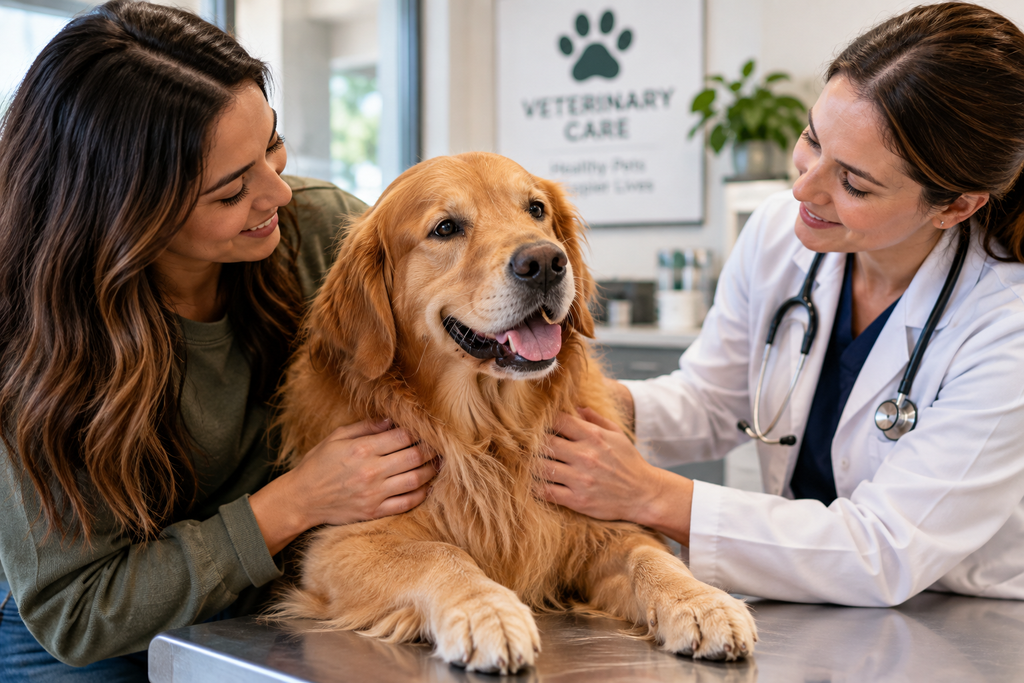
Set a day and time to do your 5-minute check. Keep it positive with treats, praise, and plenty of love. Over time, it becomes a simple habit that supports a longer, healthier life.
- Choose a consistent day each week
- Keep it quick, positive, and stress-free
- Celebrate with a treat or extra snuggles